
On-Site Inspections & Surveys
Nothing beats being on a ship when you're diagnosing a problem, and nowhere is that more important than with a ballast water treatment system.
Most ships have issues they don't know about
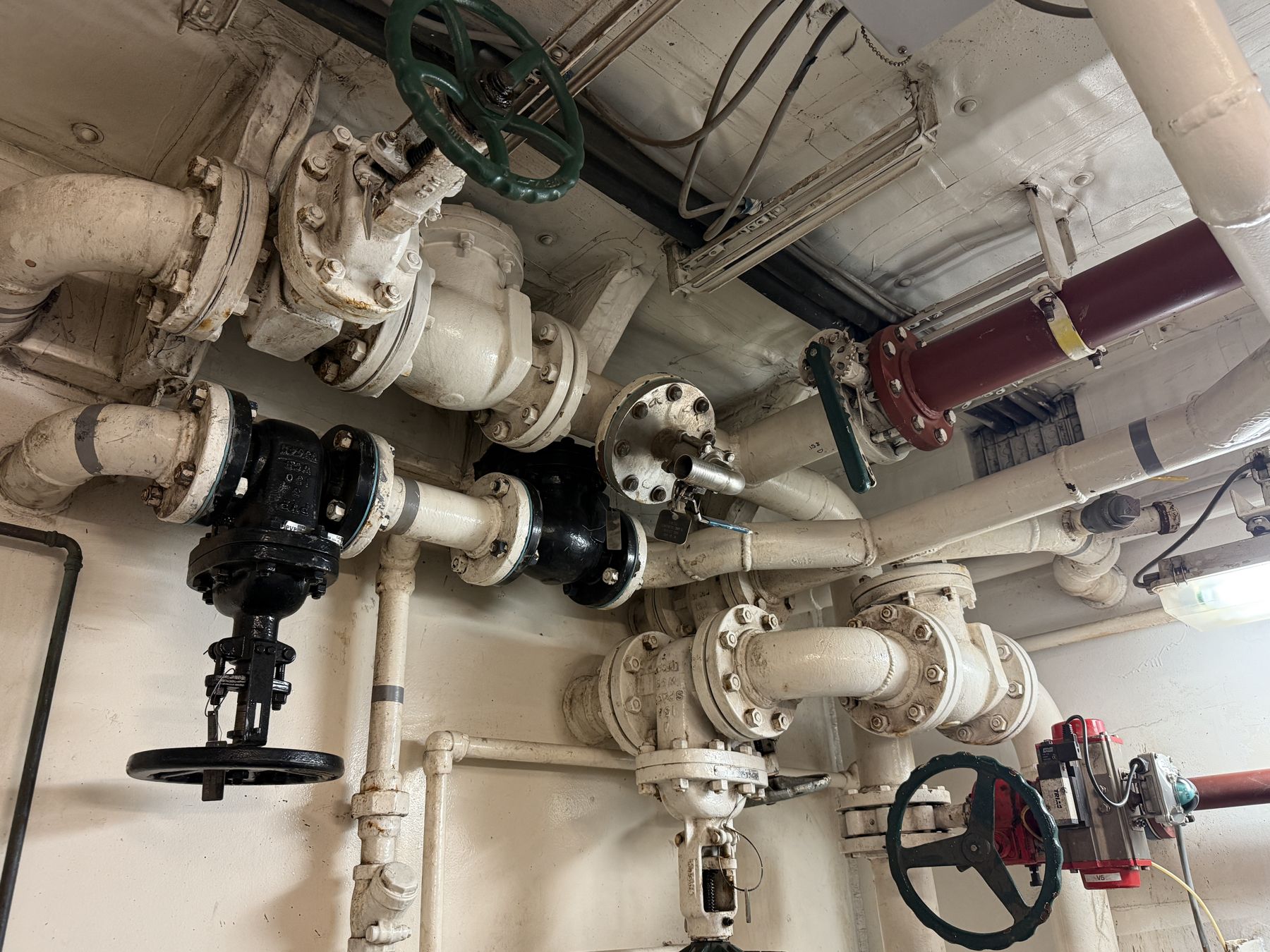
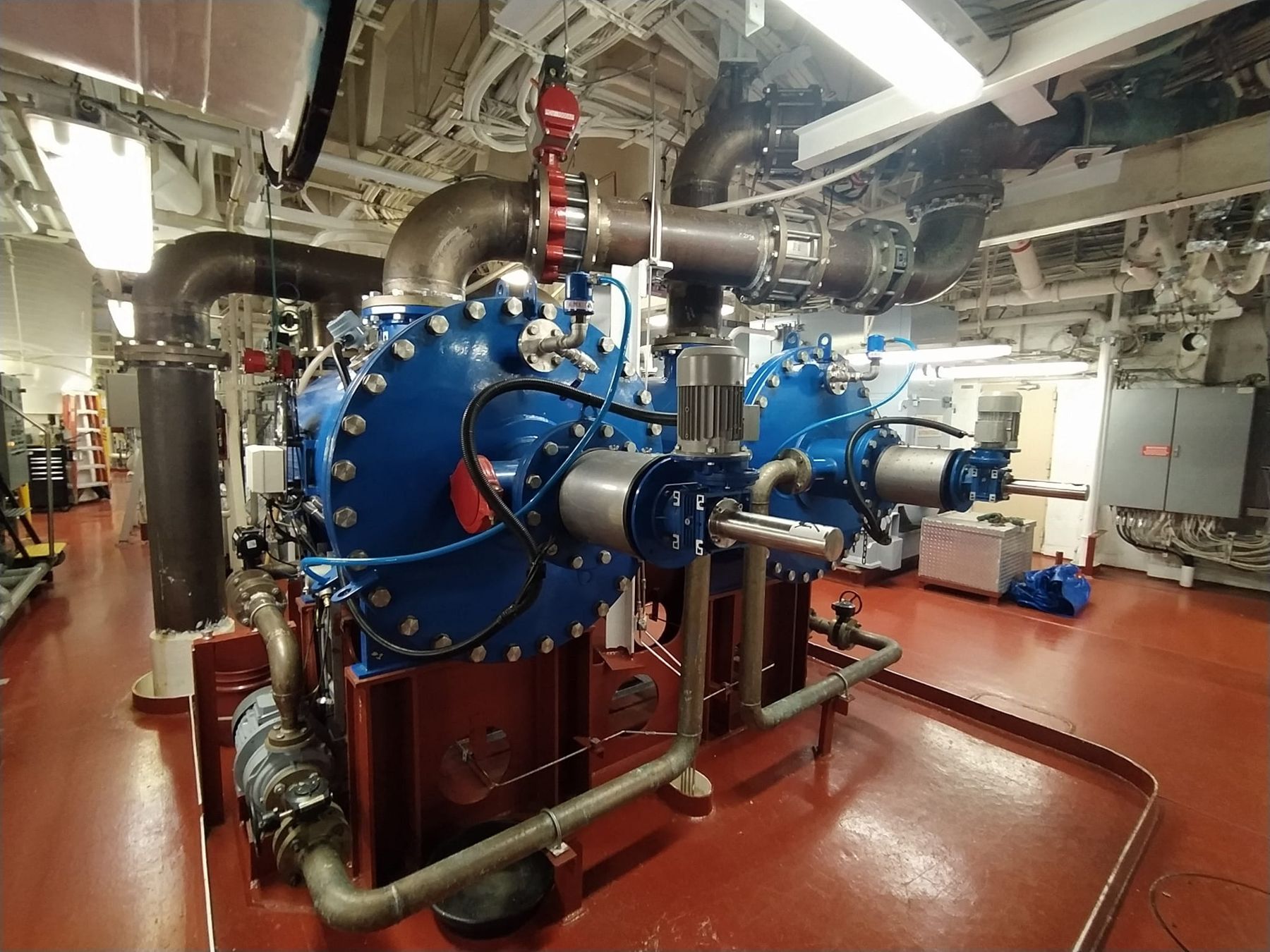
A ballast water treatment system is engineered to treat a mid-sized city's worth of water to standards up to 100 times stricter than residential drinking water, while fitting into a cramped engine room or pump room with little space, limited access, and piping run through whatever openings already exist.
Identifying Hidden Operational Risks
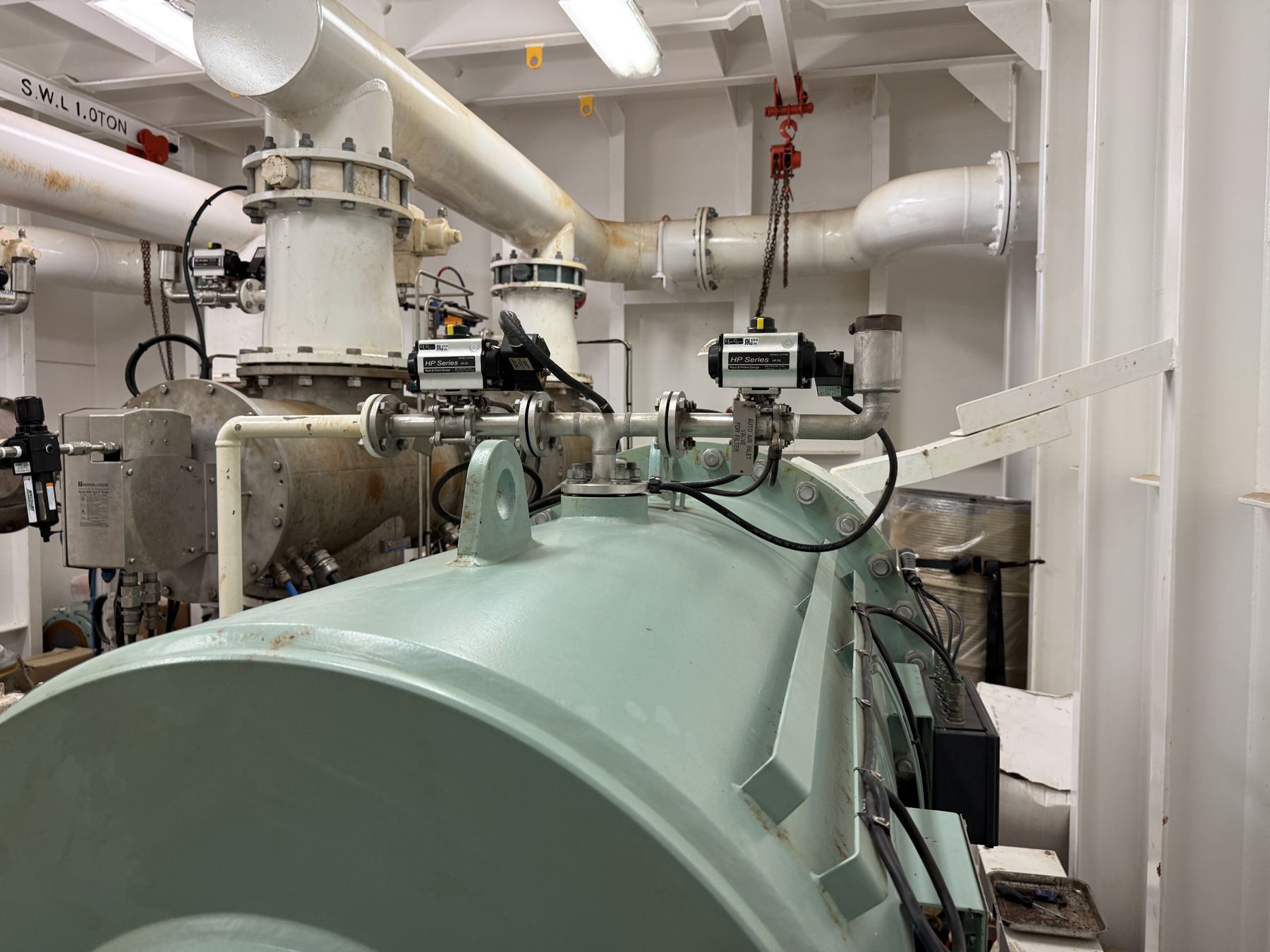
Whoever installed it, whether the shipyard, a riding crew, or a contractor, the result is often far from ideal. Add crews who are rarely trained on the system and already busy with a dozen other jobs, and it's no wonder so many installations never run at their peak. On a typical vessel we find:
- Systems operating below rated capacity
- Critical alarms and safety features bypassed or permanently silenced
- Crews who are unsure how to run the system
- Sensor drift fouling, and expired calibrations
- Piping layouts that restrict flow
- Insufficient ventilation causing BWMS to overheat
Let Simplify Ballast come aboard and make concrete, actionable recommendations to improve your system's immediate performance.
A specific fix list
At Simplify Ballast we know that an effective on-site inspection starts before coming onboard. We review your documentation and data logs first. Then conduct a full on-site evaluation: we check the physical installation, verify sensor calibration, talk to the crew, and test the system under actual operating conditions. You get:
- Prioritized list of corrective actions
- Hands-on crew guidance
- Detailed inspection report with photos
- Follow-up support as needed
- Better uptime, fewer compliance headaches
Frequently Asked Questions
The benefits of an on-site survey for ballast water treatment system optimization are that it finds problems logs and paperwork cannot show, and delivers better uptime and fewer compliance headaches. Many installations do not run at peak performance because of installation quality and crews who have rarely been trained on the system, and a survey uncovers systems running below rated capacity, alarms bypassed or silenced, sensor drift and expired calibrations, restrictive piping and overheating from poor ventilation.
Simplify Ballast reviews documentation and data logs first, then evaluates the physical installation, sensor calibration and crew knowledge, and tests the system under actual operating conditions. The owner receives a prioritized list of corrective actions, hands-on guidance for the crew, a detailed photo report and follow-up support, so money goes to the fixes that matter most. The same survey doubles as preparation for port state control.
To perform an effective on-site inspection of a ballast water treatment system, work through documents first, then hardware, then operation, and finish with the crew. Check the certificates and approvals (International Ballast Water Management Certificate, BWMS type approval certificate, Ballast Water Management Plan, Record Book, commissioning test report, and maintenance and calibration records), then inspect the physical installation, including piping, filters, sample points, cabling and ventilation, and confirm it matches the approved arrangement.
Next verify sensor calibration dates and readings, confirm alarms and interlocks are working and have not been bypassed, and then run the system at rated flow under real operating conditions while watching displayed and logged values. Finish by asking the crew to demonstrate start-up, normal operation, alarm response and challenging-water procedures, and compare what you saw with the logs and the Record Book. Record findings with photos and rank them by urgency. Simplify Ballast performs these inspections on board and supplies a prioritized corrective-action list.
Prepare for Port State Inspections
Ballast water is now a routine part of the port state control inspection, so your systems need to be operating correctly and your crew ready to demonstrate competence to inspectors. A pre-inspection audit finds and fixes issues before an inspector does.