BWM Training & Regulatory Updates
Your crew needs to know what they're doing, and they need to prove it when an inspector asks.
The rules keep changing
The regulatory landscape of ballast water treatment is continually shifting. New approvals, new requirements, shifting points of focus, and changing operational needs all create fresh challenges for your port engineers and your crews.
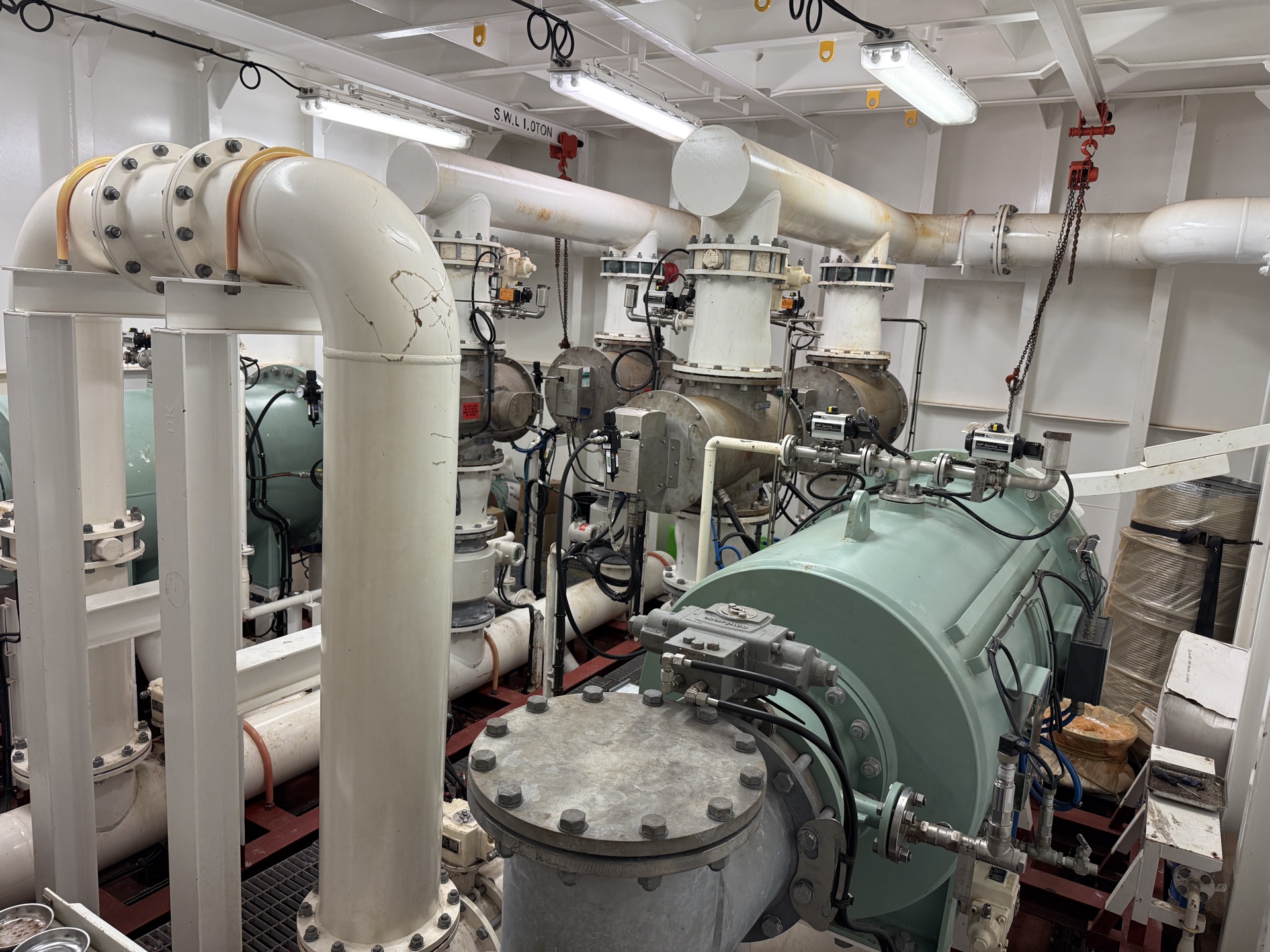
Are your crews ready?
The Paris and Tokyo MOUs ran a Concentrated Inspection Campaign on Ballast Water Management Convention compliance, and the habits it built outlasted it. Inspectors check that crews understand their systems and can demonstrate competency, not just that the paperwork is in order.
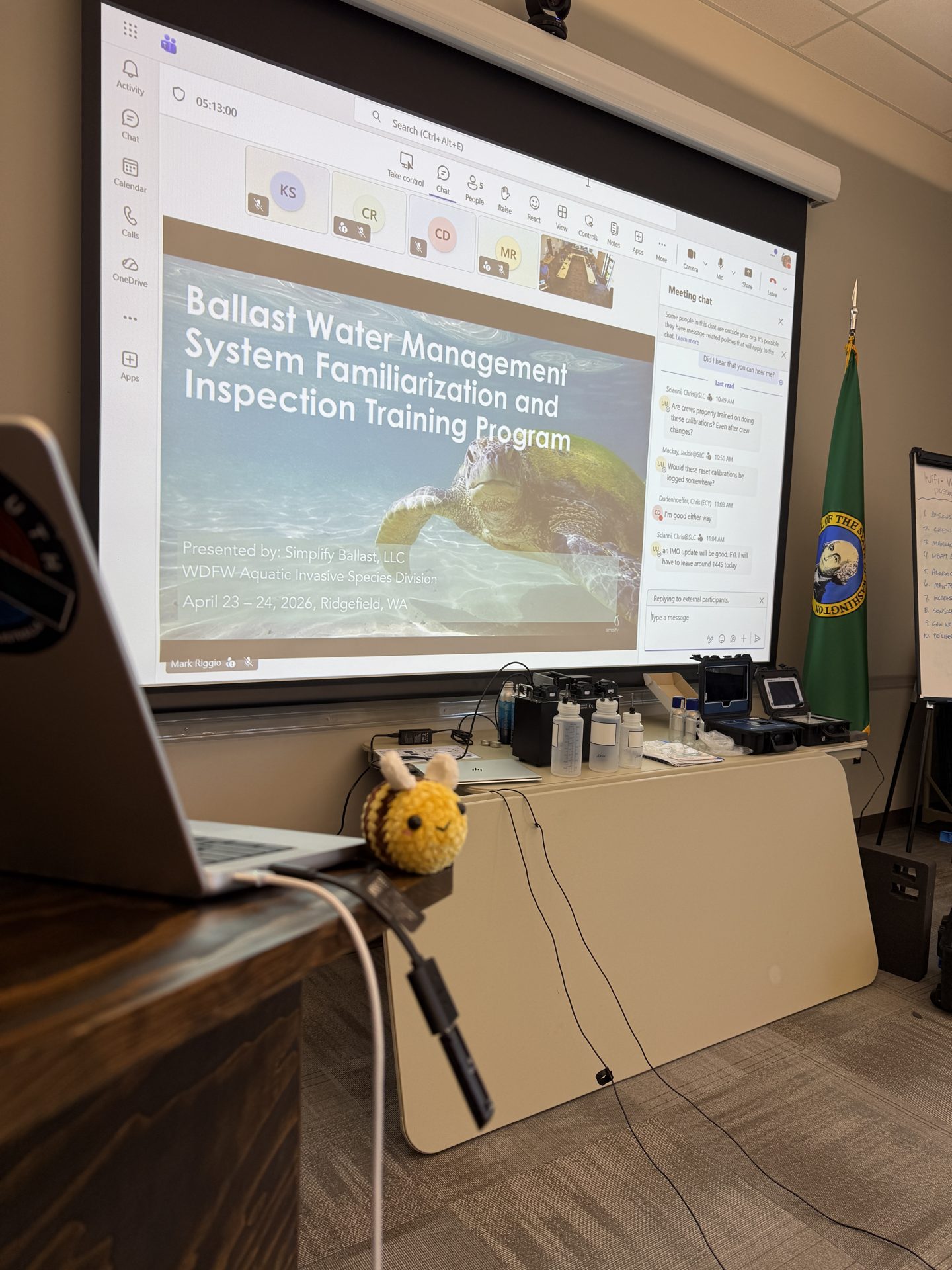
Training programs we offer
Whether you're a ship owner, a crew running a ballast water treatment system, or a port state control officer enforcing the Convention, you need to know where to get the training you need. We have a program for each.
- Tailored to your specific BWMS equipment, vessels, and operational routes. We address the actual challenges your crew faces.
- With certificates of completion. Ideal for distributed fleets where scheduling instructor-led sessions is impractical.
- Live sessions delivered by Mark Riggio, who has trained crews, fleet managers, and regulators internationally.
- We train the officers who enforce the Convention, keeping them current in less time than it takes to untangle the guidance alone, and giving us a clear view of what inspectors look for.
- Built around the Paris and Tokyo MOU ballast water checklists and the questions officers actually ask aboard.
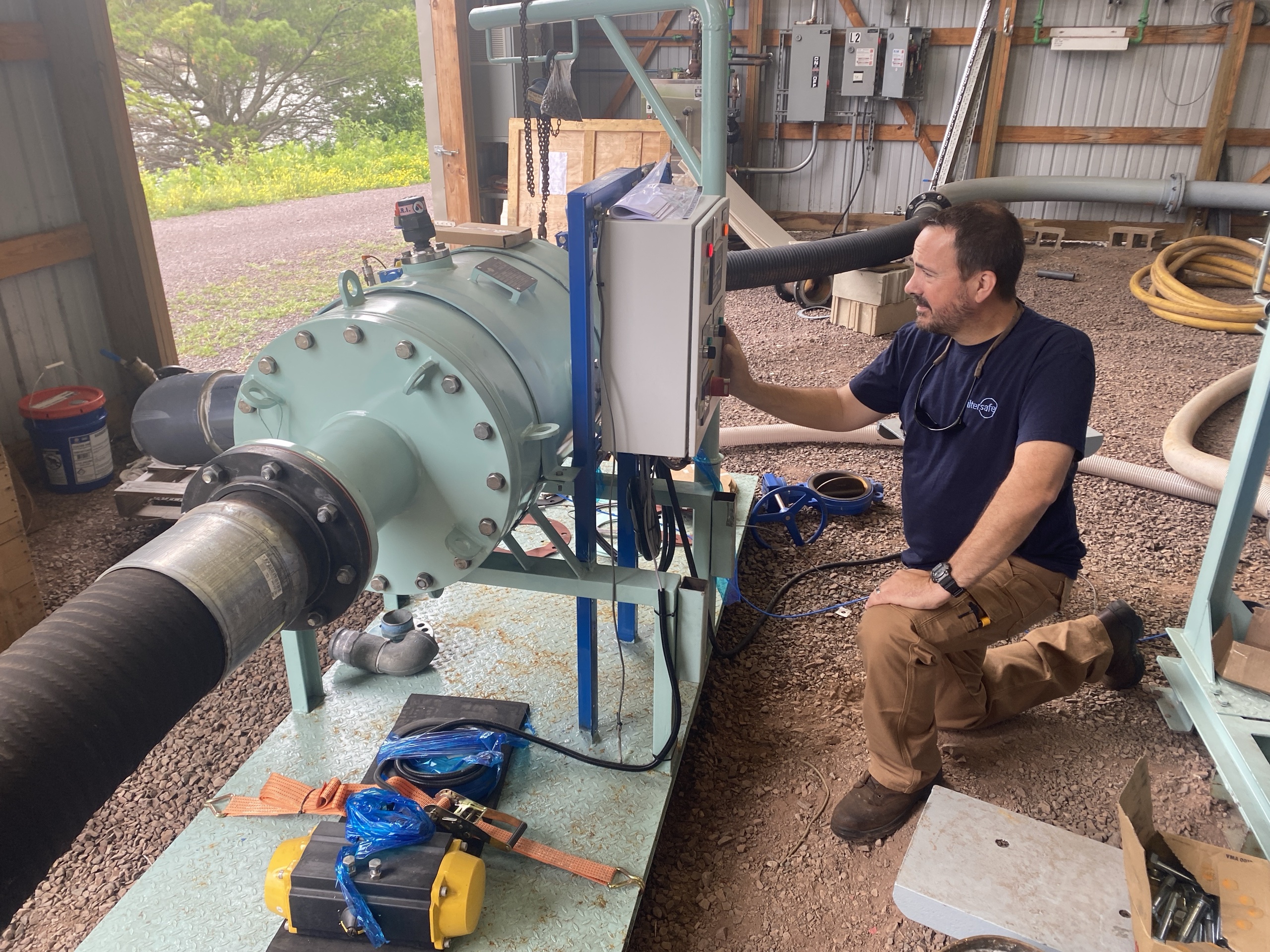
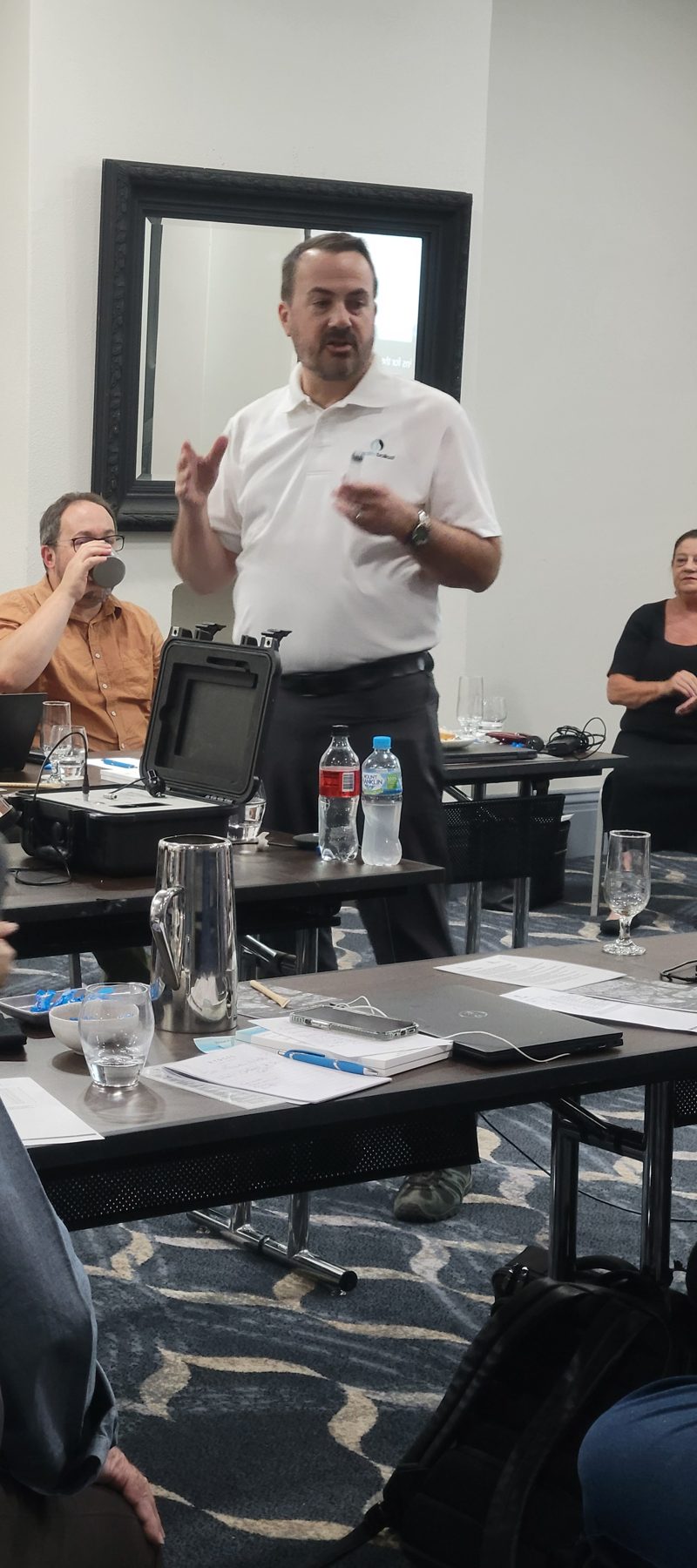
Why our training is different
We train crews and we train the inspectors who check them. That dual perspective means we know exactly what port state control officers look for during an inspection, and we prepare your crew accordingly.
To ensure your crew is properly trained, the training provided should be specific to your ship's system, practical, and tested the way a port state control officer would test it. Our training is built around your specific equipment and routes.
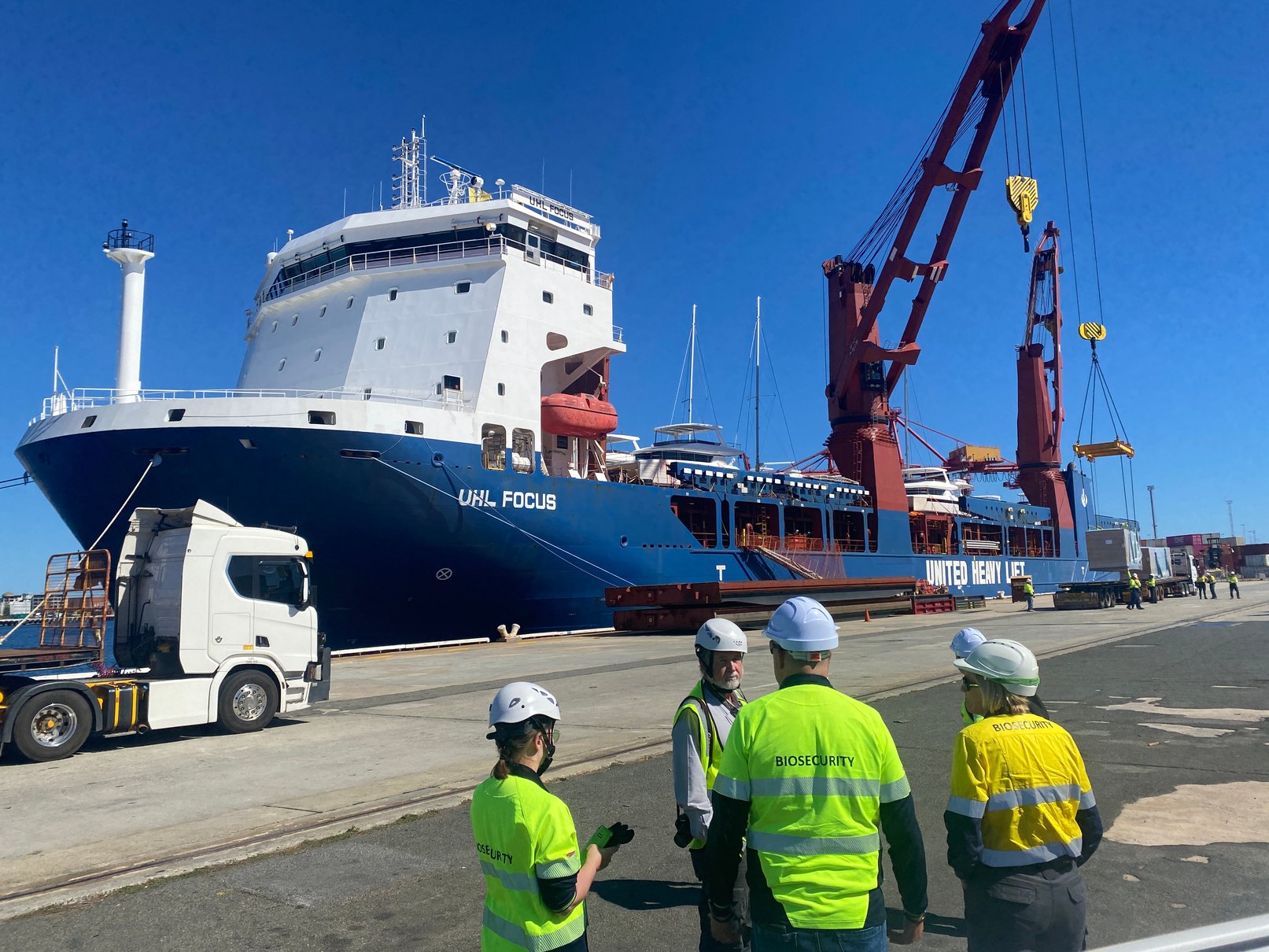
Without proper training
- Crew unable to demonstrate system competency
- Incorrect operation leading to system failures
- Port state deficiencies and potential vessel detention
- Fines for non-compliance
- No plan for when things go wrong
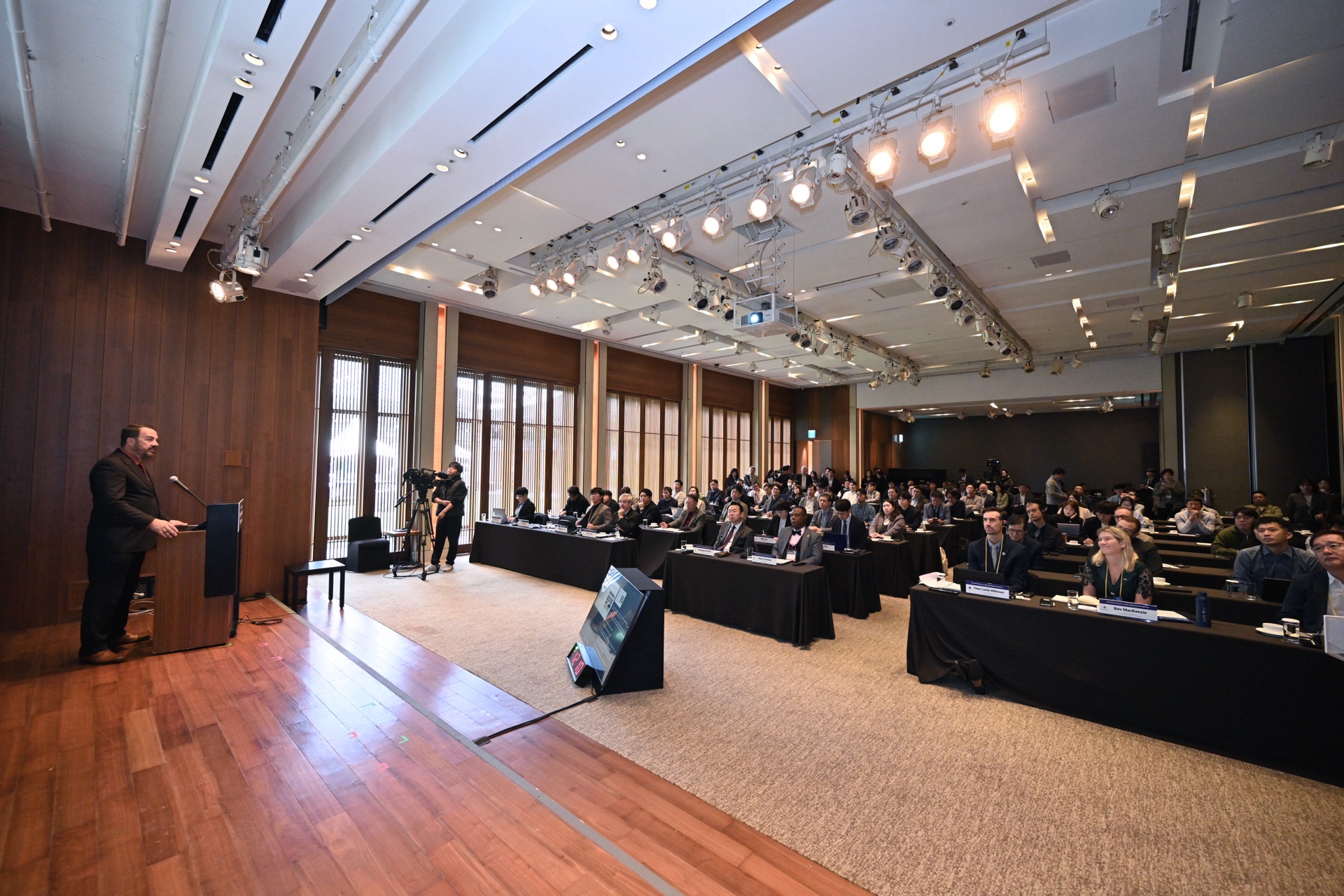
With Simplify Ballast training
- Confidence during port state inspections
- Correct system operation and maintenance
- Inspection-ready documentation and procedures
- Certificates of completion for your records
- Updates when regulations change
Frequently Asked Questions
The training requirements that are mandatory for ballast water management come from Regulation B-6 of the BWM Convention: officers and crew must be familiar with their duties in implementing ballast water management specific to the ship they serve and, appropriate to their duties, with the ship's Ballast Water Management Plan. The Convention does not prescribe one course or certificate, so compliance is shown through the plan, the company's safety management system and the crew's demonstrated ability.
The plan is expected to describe crew training and familiarization, flag Administrations and companies may add their own requirements, and port state control officers check competency by asking crew to explain and operate the system, including what to do when challenging water exceeds design limits. Check your flag's rules for anything additional. Simplify Ballast offers system-specific crew training, self-paced computer-based courses with completion certificates, and instructor-led sessions built around the Paris and Tokyo MOU inspection checklists.
To ensure your crew is properly trained for ballast water management compliance, train them on your ship's actual system and plan, have them prove it by demonstration, and repeat the training when crews or rules change. Inspectors look at competency, not only paperwork, so the test is whether an officer can start the system, read its alarms, explain the ship's procedures including challenging water, and complete the Record Book correctly without help.
A reliable approach is system-specific training for every officer and engineer, hands-on drills at the equipment, a short assessment using port state control style questions, training records kept in the safety management system, and refreshers after crew changes, system modifications or regulatory updates such as the 2025 Record Book format. Simplify Ballast provides custom fleet training, self-paced computer-based courses with certificates for distributed fleets, instructor-led sessions and inspection-preparation workshops.
Request Training Information
Tell us about your fleet and training needs. For training inquiries, you can also reach us directly at training@simplifyballast.com.
Let us know your fleet size and the vessels involved, which BWMS types are installed on board, how many crew you need trained, and your preferred format, either self-paced or instructor-led.