The campaign ended. The scrutiny didn't.
The Concentrated Inspection Campaign on ballast water has closed, and ballast water is now part of the routine Port State Control inspection. Mark trained both the crews and the port state officers doing that checking. He knows what they look for, and what gets vessels detained.
What inspectors actually do now
A campaign is how an inspectorate builds a habit. The ballast water CIC gave officers a checklist, the practice to use it, and the deficiency data to know where ships fall down. That habit outlived the campaign window. Inspectors don't just check that paperwork exists. They watch the system run, and they ask the crew to explain what happens when challenging water exceeds design parameters. A pre-PSC visit from us covers the same ground. We find the issues before they do.
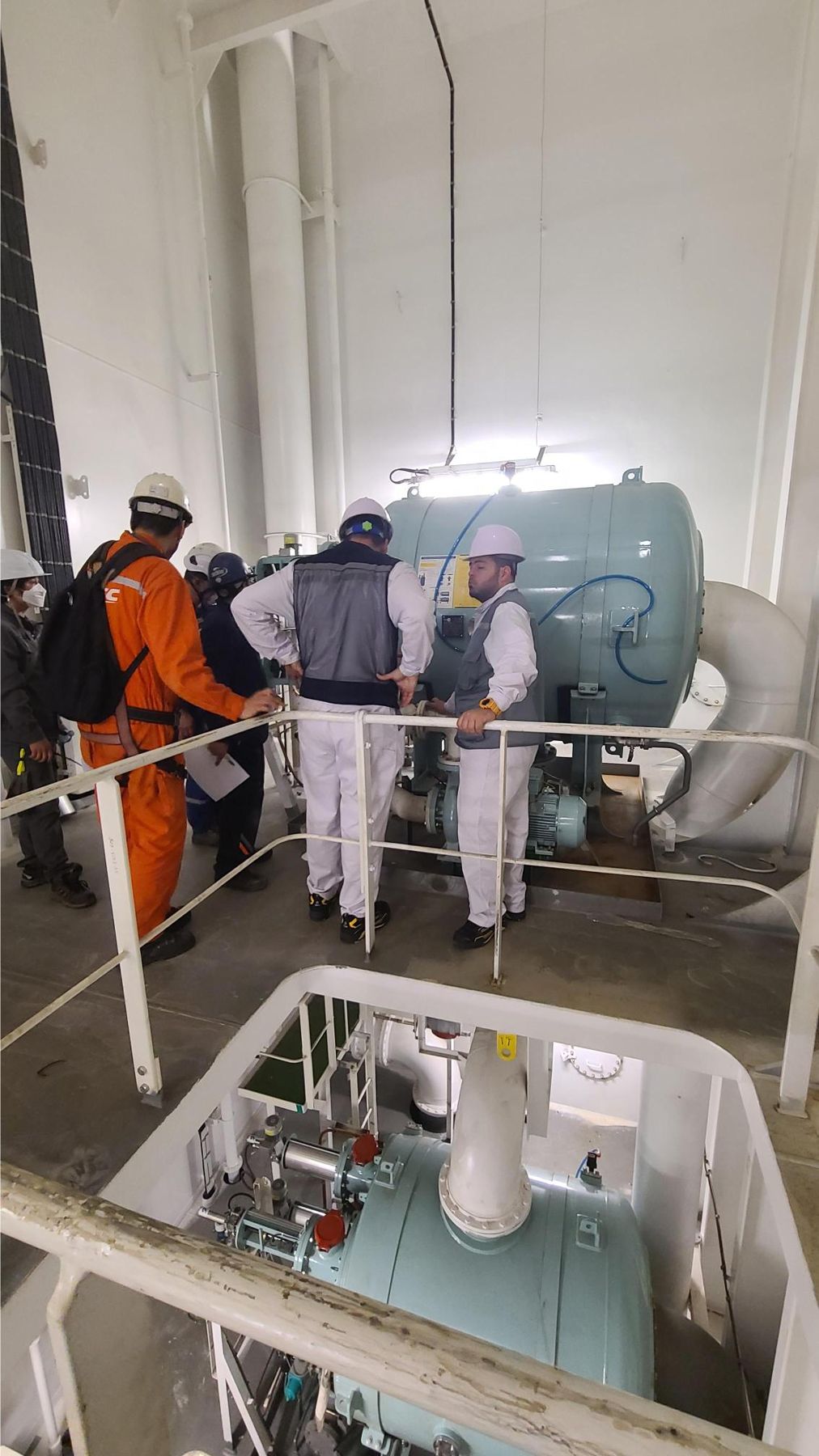
They watch the system run
They look at the BWMP and see whether it actually matches the installation. If your crew can't walk an inspector through your procedures cleanly, that's a deficiency.
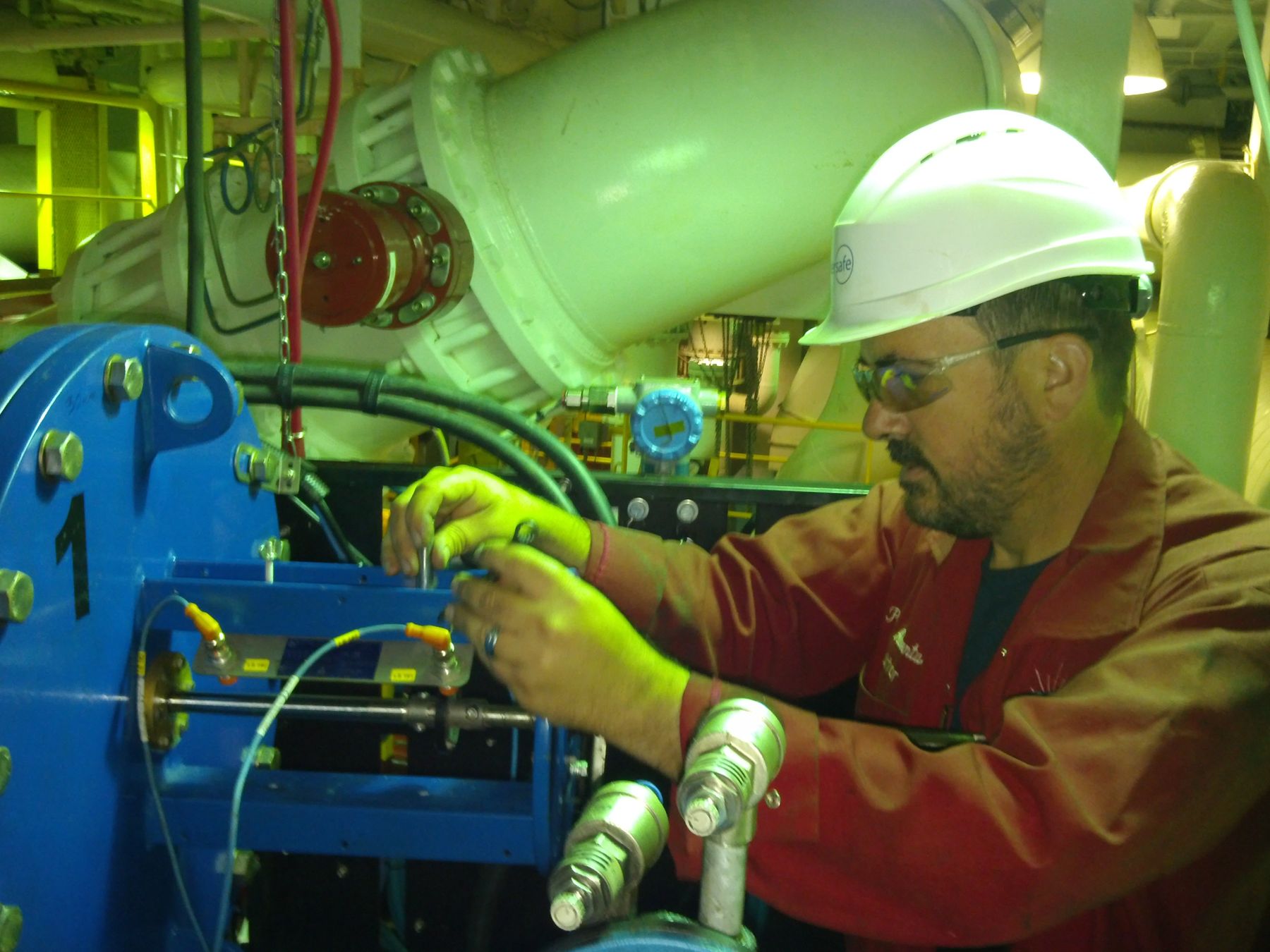
A pre-PSC inspection aboard the vessel runs the same checks a port state officer will, so nothing surprises you on the day they board.
Pre-PSC inspection scope
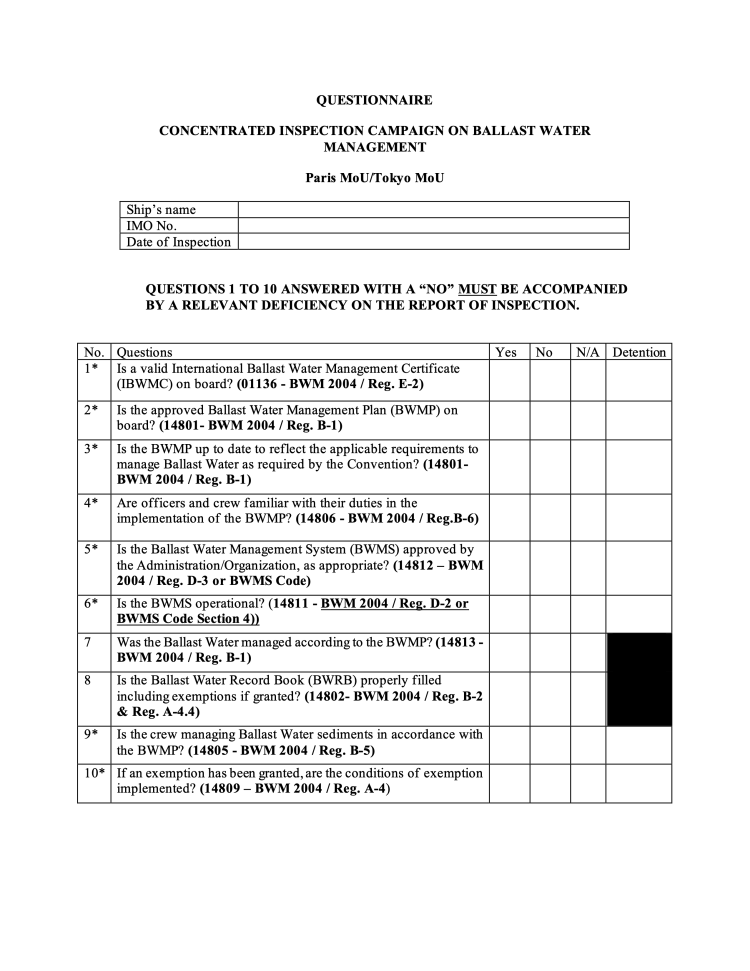
The Paris MoU ballast water checklist is the clearest published picture of what a PSC officer works through on your vessel. The campaign it was written for has ended. The questions on it have not. We work from it too.
- BWMS performance verification under representative operating conditions
- Sensor calibration check + drift assessment from data logs
- BWMP review against the actual installation and current amendments (challenging water, etc.)
- Crew demonstration of competency, the same questions an inspector will ask
- Documentation audit: records, calibration, maintenance, compliance certificates
- Prioritized fix list with crew action and shore-side action separated
Without a pre-PSC visit
When the inspector finds the issues first, you lose control of the timeline and the cost.
- Average 3–6 issues found by the inspector instead of by you
- Risk of detention, charterer notification, public deficiency record
- Fixes done under time pressure cost more
- Crew confidence collapses during the actual inspection
With a pre-PSC visit
Everything an inspector will check is found, fixed, and rehearsed on your schedule.
- Issues identified and resolved on your timeline
- Crew rehearsed on the questions inspectors actually ask
- BWMP updated to match installation and current amendments
- Documentation audit-ready before the inspector boards
Pre-inspection audit on our ATB found seven different issues including three that would have resulted in a Coast Guard deficiency. None of them were creating obvious alarms. Without his inspection we would have definitely had issues.
Fleet Operations Manager, mid-cap U.S. vessel operator
Get pre-PSC scoped
Tell us about the vessels and where they're trading.