
BWMS Selection Criteria
Not every vessel needs the most expensive system. We help you match the right BWMS to your actual needs at the lowest practical price.
"Best" depends entirely on your vessel
There are dozens of type-approved ballast water management systems on the market, and every manufacturer will tell you theirs is the best. The right choice depends on your vessel, your routes, your water conditions, and your budget, not just upfront but over the life of the system.
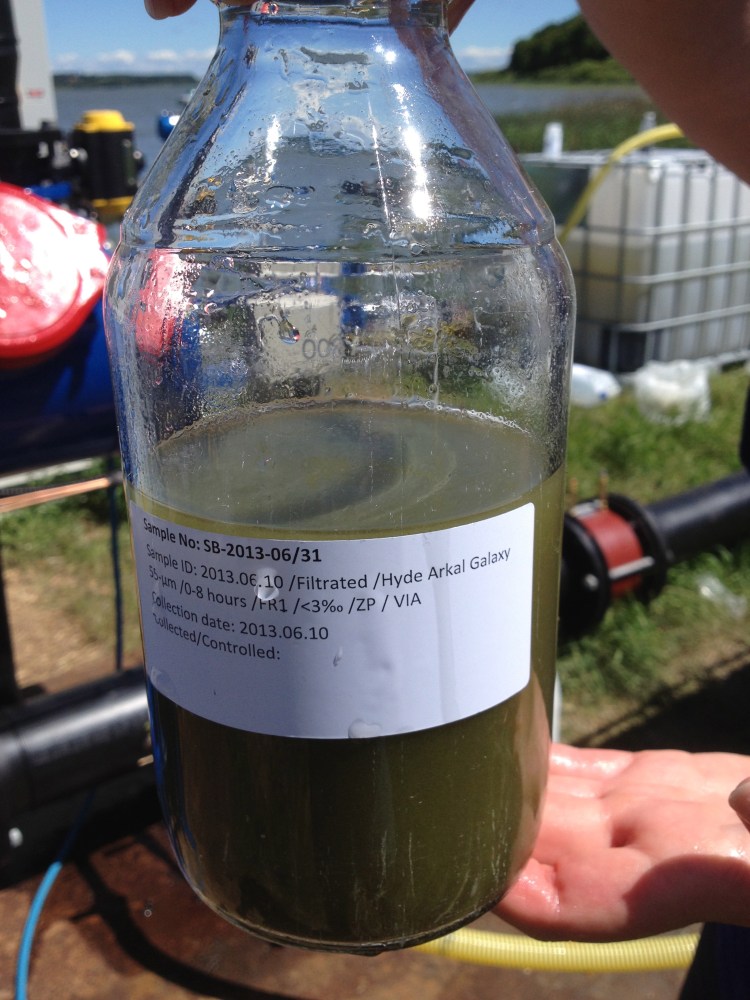
Choosing the right system
How do you select the right ballast water management system for your vessel? It starts with knowing the challenges your vessel faces in operation.
From there, we work through the questions that actually decide the outcome. Does your vessel trade in exceptionally challenging water? What do varying salinity and temperature ranges do to a system's performance? How much flow do you need, and how do you make sure you will have that flow when it is time to move your cargo? For most owners, the equipment to answer these questions is expensive, and the knowledge to tell challenging water from ordinary water is too specialized to keep on hand.
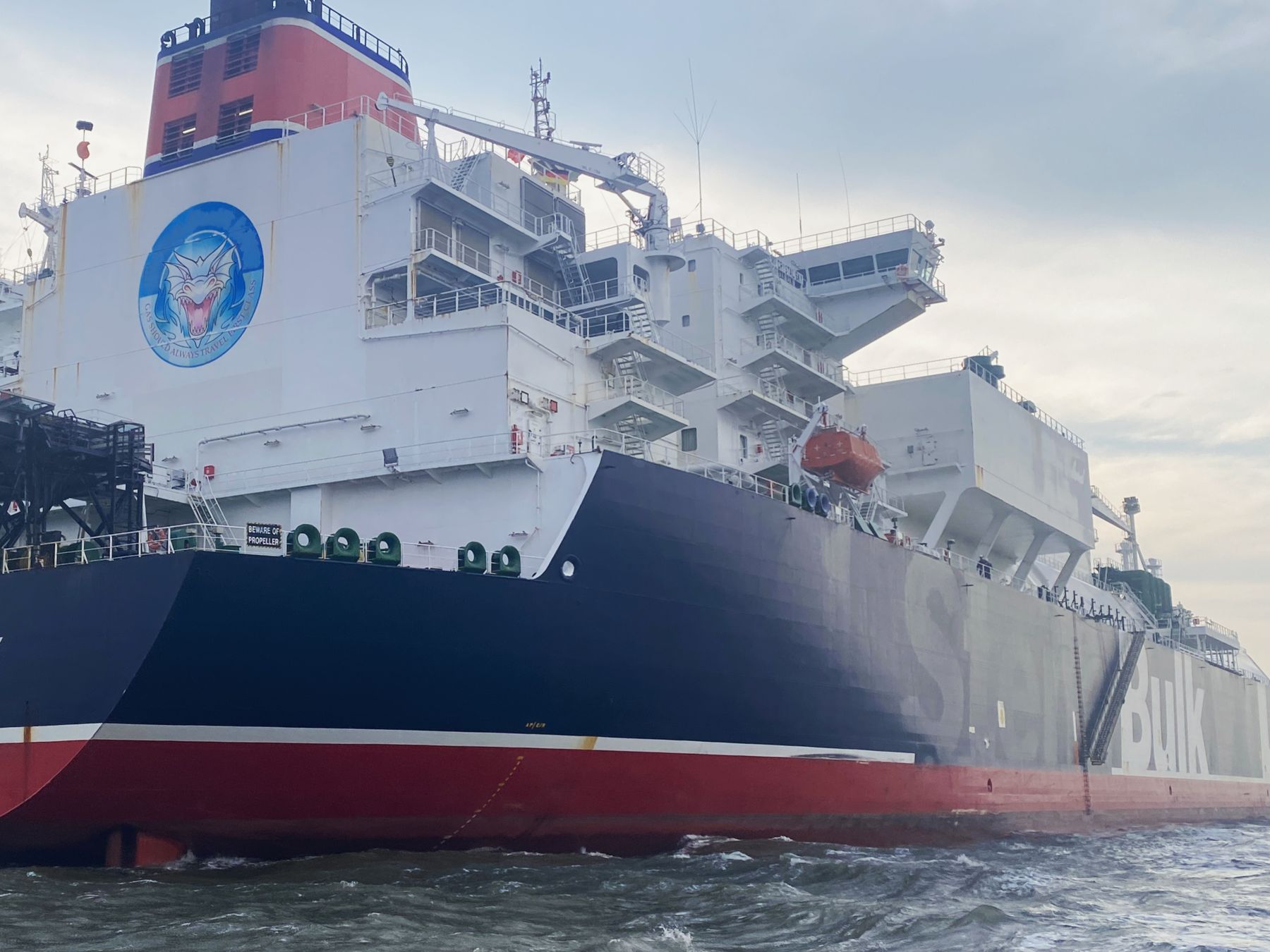
Our selection process
Selecting the right BWMS is a structured evaluation. We work through six factors that determine whether a system will perform on your vessel's actual routes, from water quality and flow requirements to total cost of ownership.
- We combine on-site water testing with historical data and years of global water quality sampling to characterize the conditions your vessel will actually face.
- Every BWMS has operating limits. We identify the critical design parameters that matter for your routes and conditions.
- Proper sizing is critical. Too small and you extend port time. Too large and you waste money and engine room space.
- UV, electrochlorination, filtration, chemical injection - each technology has strengths and weaknesses. We match the right approach to your conditions.
- Purchase price is just the beginning. We evaluate consumables, maintenance, power consumption, and operational complexity over the system lifecycle – using the real numbers, not ones handed out by a marketing team.
- For vessels operating in waters that may exceed standard system parameters, we identify which systems can handle your worst-case conditions.
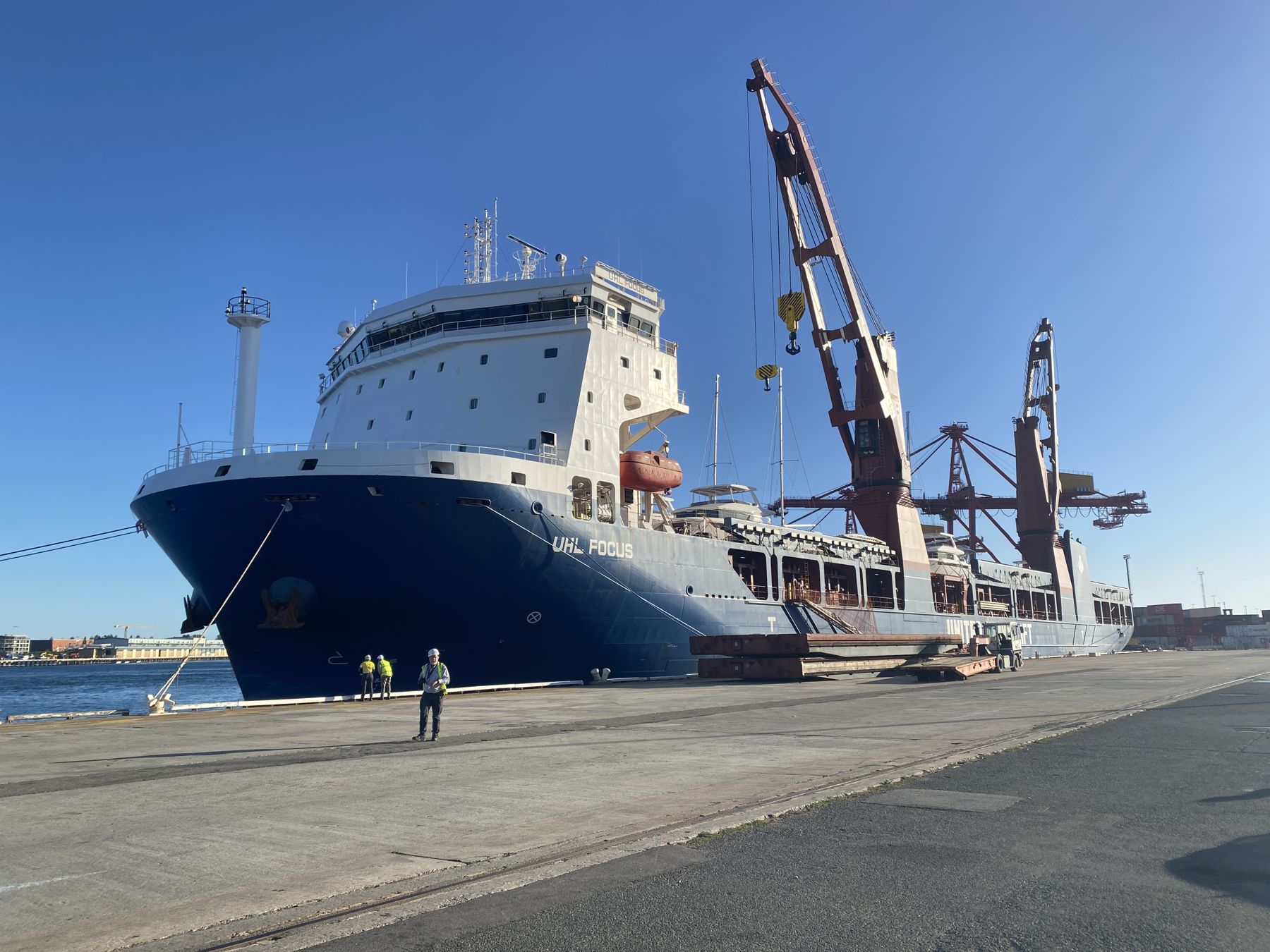
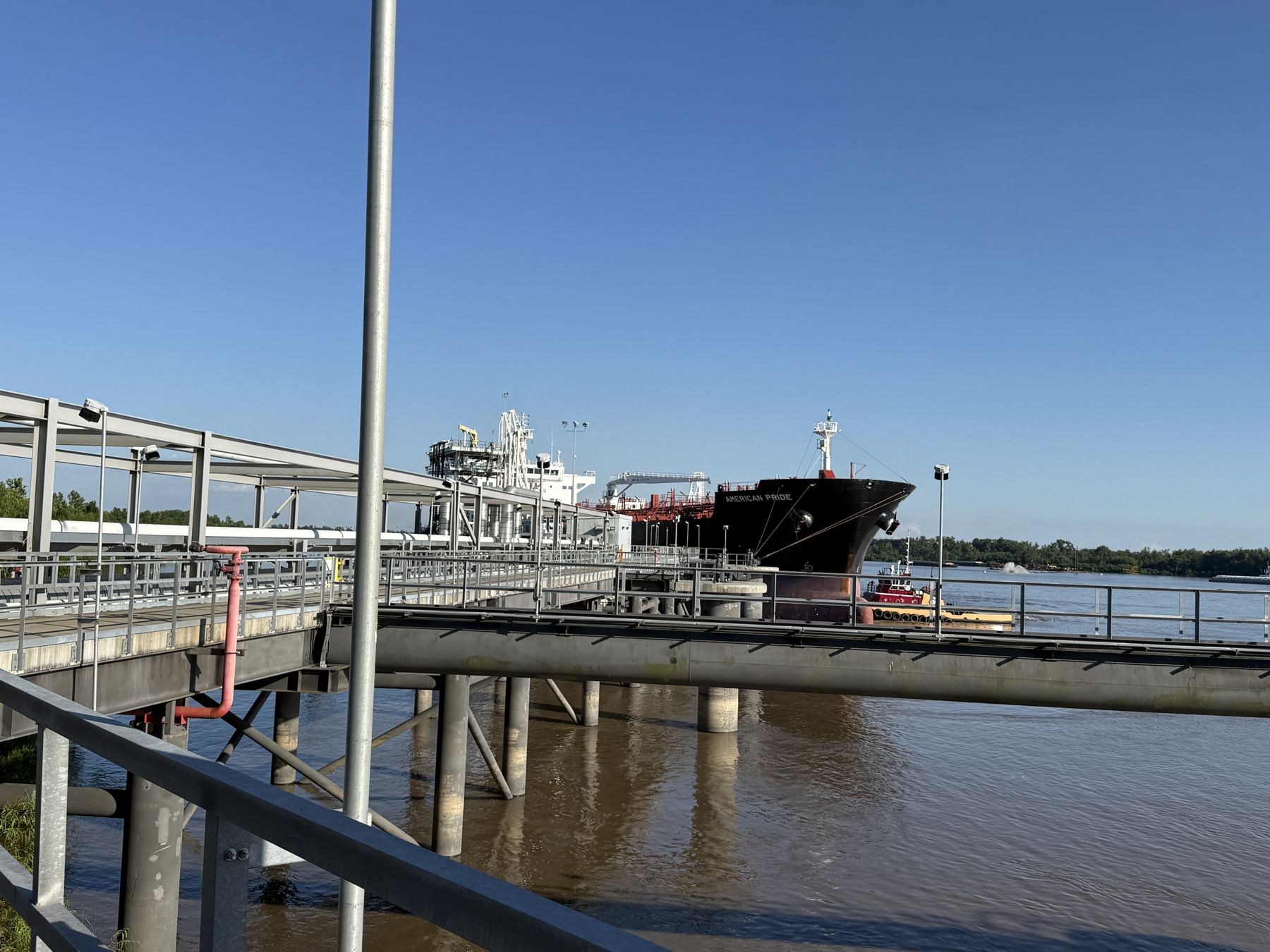
The cost of guessing
Choosing a BWMS on manufacturer claims alone, without knowing your routes' actual water conditions, leads to two costly extremes: paying for capability you'll never use, or under-specifying a system that fails compliance testing. A vessel in clean, open ocean doesn't need what one ballasting in turbid river ports does.
- Relying on manufacturer claims alone
- No data on your actual water conditions
- Over-specified system (wasted money)
- Under-specified system (compliance failure)
- Total cost of ownership ignored
- Wrong technology for operating conditions
Selecting with data
We've sampled water quality at ports and waterways globally for years. That baseline data, paired with vessel-specific testing, tells us what your BWMS will actually face, and which systems can handle it.
- Independent manufacturer-neutral advice
- Actual water quality data for your routes
- Right-sized system for real conditions
- Reliable compliance from day one
- Full lifecycle cost comparison
- Best technology match for your needs
Frequently Asked Questions
The primary difference between UV and electro-chlorination ballast water management systems is the disinfection technology that is used. For UV-based BWMS, high intensity UV light is used to either inactivate or kill the organisms in the water. For electro-chlorination systems, electricity is fed through the water which breaks down the salt into free chlorine, which also kills organisms.
One of the biggest differences, though, is how the ballast water is actually impacted. With UV, there is no change to the water chemistry and the water is immediately safe to be discharged. For systems that use electro-chlorination, the chlorine remains suspended in the water and either needs to decay naturally or needs to be neutralized prior to being discharged from the ship. High levels of chlorine can also impact your tank coatings, something which UV does not do.
It is also important to remember that UV systems often treat both on uptake and on discharge because there is no residual treatment in the ballast tank. For electro-chlorination systems, treatment is always only on uptake and then the water retains some chlorine throughout the voyage to prevent regrowth. This chlorine, though, must be neutralized to a safe level prior to final discharge.
- The key criteria for selecting a ballast water treatment system vendor is accessibility. Every manufacturer is easily accessible when they are trying to make that initial sale. But how easy will it be to reach them when your vessel is halfway around the world, in a difficult time zone, and on a holiday? Will parts be easy to get when you are all of the places your ship sails? An inexpensive system offered by a local shipyard may be cheap to purchase, but if you can’t get parts or service because the office is closed, the delays and fines may quickly overcome any savings you originally received.
Choosing the right ballast water treatment system for your vessel involves five simple questions:
- How much ballast flow do I need to always maintain to my cargo loading rates?
- Do I ever need to ballast in fresh water?
- What if my filter clogs? Can I stop cargo long enough to fix it?
- Do I go up rivers into muddy, silty water where the depth of water is rarely much more than the draft of my vessel?
- How much time does my crew have to deal with their BWMS during cargo ops?
Once you have the answers to these questions, you need to look through the published Type Approval reports and see which systems have the system design parameters that match your operations and what the flow rate of those systems are at extreme challenge conditions. Then you need to see a demonstration of how the control system operates and how different ballasting functions are handled. Last, make sure you see how the data is output from the control cabinet and how you will analyze how the system has been operating. And if all of that sounds like a lot of work, just reach out and we can help put together a list of requirements and a suggested list of manufacturers and systems that match your vessel's needs.
And if all of that sounds like a lot of work, just reach out and we can help put together a list of requirements and a suggested list of manufacturers and systems that match your vessel’s needs.
Choosing the right ballast water treatment system for your vessel’s operating profile is a balance of three simple factors:
- How much ballast flow do I need to always maintain to my cargo loading rates?
- Do I ever need to ballast in fresh water?
- How challenging is the water where my ship needs to ballast?
The more challenging the water where you trade, the more you need to make sure both that you are finding a system with the right design limitations for your waters as well as taking into account how much flow the BWMS can handle at those extreme ballasting operations. If you fail to account for either factor, or you forget that you need to operate in fresh water and you select a system with a restriction on salinity, you can quickly find out that you chose the wrong BWMS for your operating profile.
And if all of that sounds tricky, just reach out and we can help put together a list of requirements and a suggested list of manufacturers and systems that match your vessel’s operating profile.
Get Selection Guidance
Tell us about your fleet and we'll help you choose the right system at the right price.